
Is Carbonara pasta a Roman recipe?

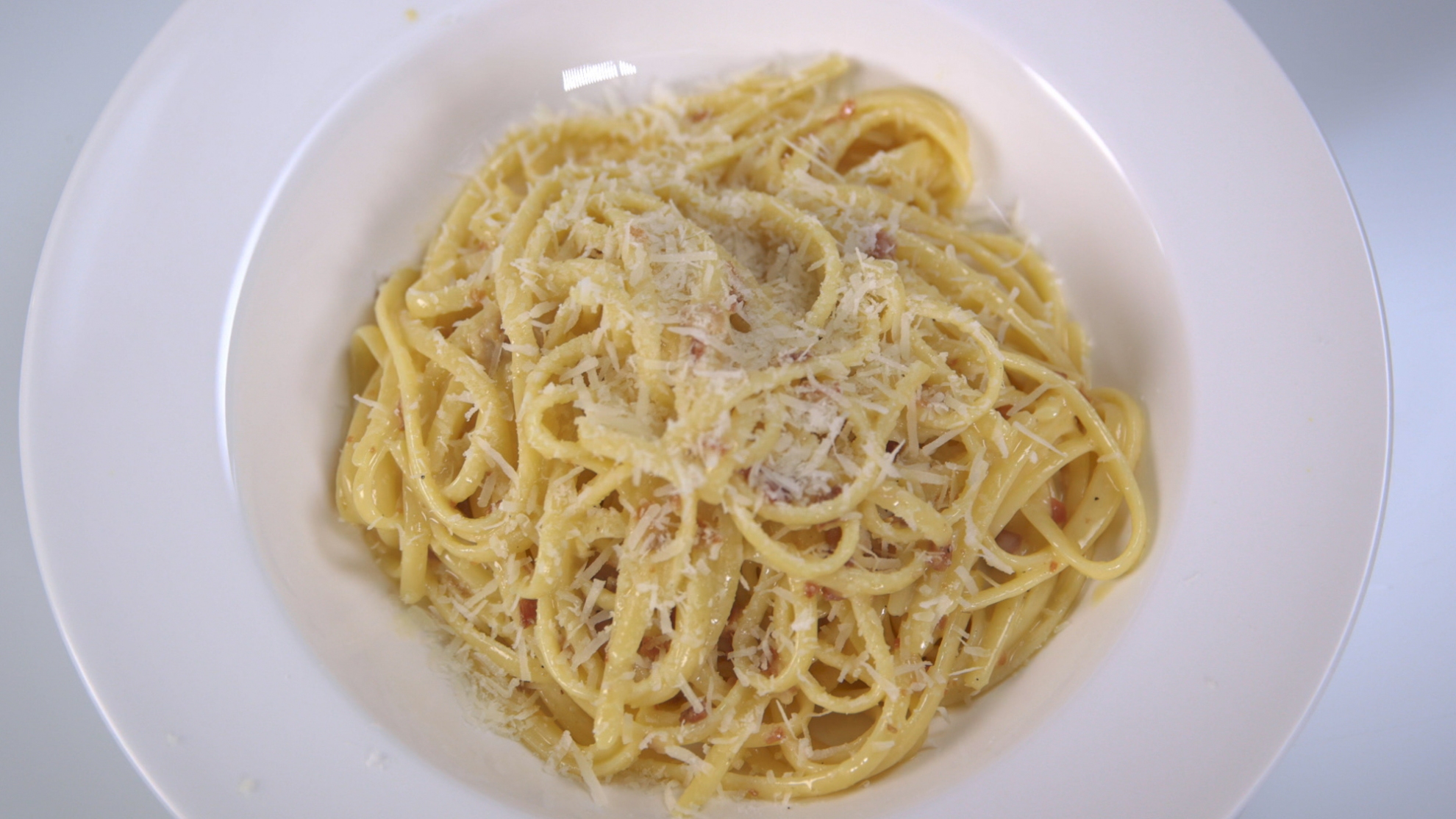
Carbonara pasta is worldwide know as the typical roman recipe. Like Amatriciana (Matriciana) pasta is an icon of roman food, but its origins seems to be linked to american soldiers and a not so far 1944.

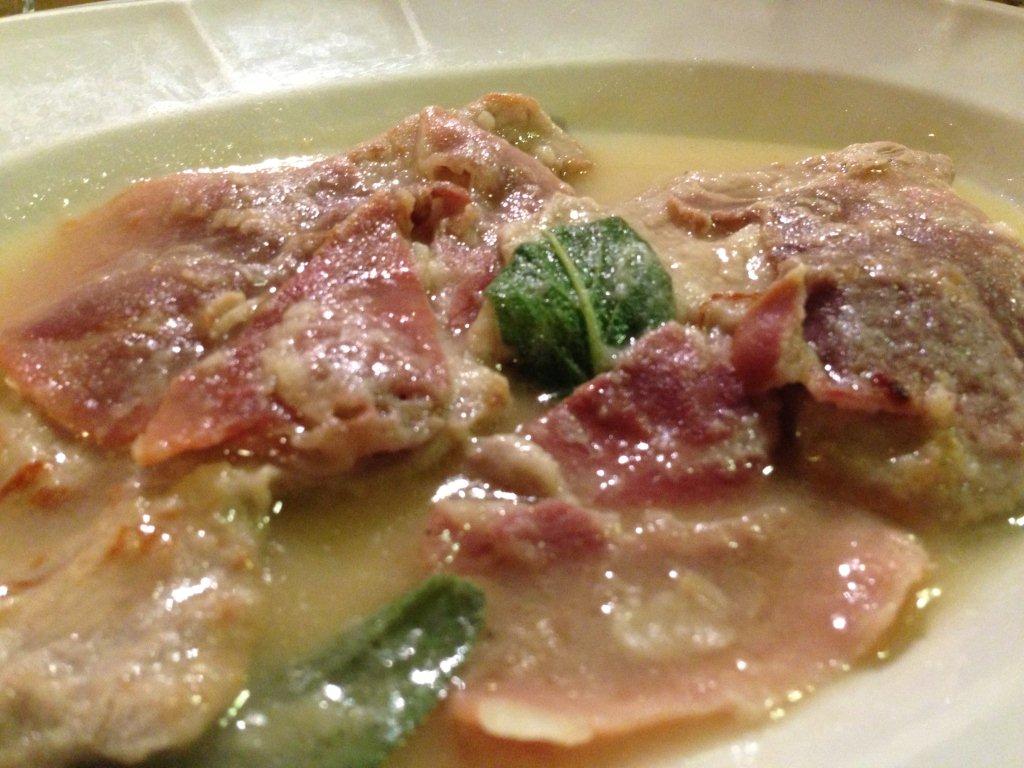
When you want to feel the taste and flavour the true roman food, your mind goes to some typical recipes like Saltimbocca, Amatriciana or Carbonara. If the first two are true typical roman food and their recipes are written in old recipes books (e.g. Ada Boni) carbonara was unknow until latest ’40 when, suddenly, became synonimous of roman food.

Here a complete recipe (in italian) of carbonara spaghetti

A theory on the birth of pasta alla carbonara says that the American soldiers, in Rome after the liberation of the city, used the food of their houses (bacon, eggs, cheese) to make a pasta that reminded the family flavors. In this way the carbonara pasta was born.

Another theory says that an American soldier (an officer) put an egg in a Gricia pasta obtaining the carbonara.

Regardless of which theory is true (maybe, a mix of the two) we are accepting that carbonara pasta – one of the iconic roman recipe – was not born as a roman recipe.

But Carbonara pasta is Rome deeply and delightfully.

Papa Rex – Traditional Restaurant in Rome since 1991 – Saint Peter – Vatican area
Traditional Rome Cuisine

Roman cuisine is based on seasonal ingredients mostly from Roman Campagna, and prepared in a simple way. The most important are vegetables (typical are peas, globe artichokes and fava beans), meat (milk lamb and goat) and cheeses (Pecorino romano and ricotta), olive oil (used only for raw ingredients and to fry) Specific dishes are often assigned to the days of the week, such as gnocchi on Thursday, baccalà (salted cod) on Fridays, and trippa for Saturdays.

Rome’s food has evolved through centuries and periods of social, cultural, and political changes. Rome became a major gastronomical center during ancient age. Ancient Roman cuisine was highly influenced by Ancient Greek culture. Subsequently, the empire’s enormous expansion exposed Romans to many new, provincial culinary habits and cooking techniques.

The most common or ancient Roman cuisine included the “fifth quarter”. Popular foods include pig’s trotters, brain, and the genitals of other animals, which were often carefully cooked and richly spiced with different savouries, spices and herbs. The old-fashioned coda alla vaccinara (oxtail cooked in the way of butchers) is still one of the city’s most popular meals and is part of most of Rome’s restaurants’ menus. Lamb is also a very popular part of Roman cuisine, and is often roasted with spices and herbs. There is a considerable Jewish influence in Roman cuisine, since they were many in the city, and some of the traditional meals of the ghetto date back over 400 years. Such include the carciofi alla giudia (Jewish-style artichokes) and Jewish courgettes.

Pasta is one important element of Roman cuisine. Famous pasta sauces include amatriciana, carbonara, (a sauce made with pancetta or guanciale – pig’s cheek -, cheese and egg), cacio e pepe and gricia (like carbonara but without eggs).

Rome is the centre of white wine, especially with the warm territory. Frascati and Castelli Romani have been called the best ones in the city.

Papa Rex – Traditional Restaurant in Rome since 1991 – Saint Peter – Vatican area