
I Musei Vaticani: Un Viaggio Attraverso Secoli di Arte e Fede

The Vatican Museums: A Journey Through Centuries of Art and Faith

Scopri i Musei Vaticani — un emozionante viaggio tra arte, storia e spiritualità nel cuore di Roma. Dalla Cappella Sistina ai tesori meno conosciuti, vivi la bellezza senza tempo del Vaticano.

Discover the Vatican Museums — a breathtaking journey through art, history, and spirituality in the heart of Rome. From the Sistine Chapel to hidden treasures, explore the soul of centuries of beauty.


1. Un mondo dentro Roma

I Musei Vaticani non sono un semplice museo: sono un universo d’arte e cultura racchiuso tra le mura del più piccolo Stato del mondo.
Fondati nel 1506 da papa Giulio II, custodiscono secoli di capolavori raccolti, commissionati e tramandati dai pontefici.
Visitandoli, si attraversano oltre 7 chilometri di gallerie e cortili, tra marmi, affreschi e silenzi che raccontano l’anima di Roma e della cristianità.

1. A World Within Rome

The Vatican Museums are not just a museum — they’re a universe of art and culture enclosed within the smallest State in the world.
Founded in 1506 by Pope Julius II, they preserve centuries of masterpieces collected, commissioned, and passed down by Popes.
Visitors walk through over 7 kilometers of galleries and courtyards, surrounded by marble, frescoes, and silence — echoes of both Rome and faith.


2. Le origini – La visione di Giulio II

Tutto iniziò con una statua: il Laocoonte, scoperta sul colle Oppio.
Fu il primo nucleo della collezione papale, presto arricchito da opere classiche e rinascimentali.
Giulio II comprese che l’arte era un linguaggio universale, capace di parlare a credenti e non credenti.
Da allora, ogni pontefice ha contribuito a questo dialogo tra bellezza e fede.

2. Origins – The Vision of Julius II

It all began with a statue: Laocoön, unearthed on the Oppian Hill.
It became the cornerstone of the papal collection, soon expanded with classical and Renaissance works.
Pope Julius II understood that art is a universal language — one that speaks beyond belief.
Since then, every Pope has contributed to this dialogue between beauty and faith.


3. L’itinerario dei capolavori

Il percorso dei Musei Vaticani è un viaggio nella storia dell’umanità.
Dalla Galleria delle Carte Geografiche, con i suoi dettagliati affreschi seicenteschi, alle Stanze di Raffaello, dove la grazia incontra la teologia.
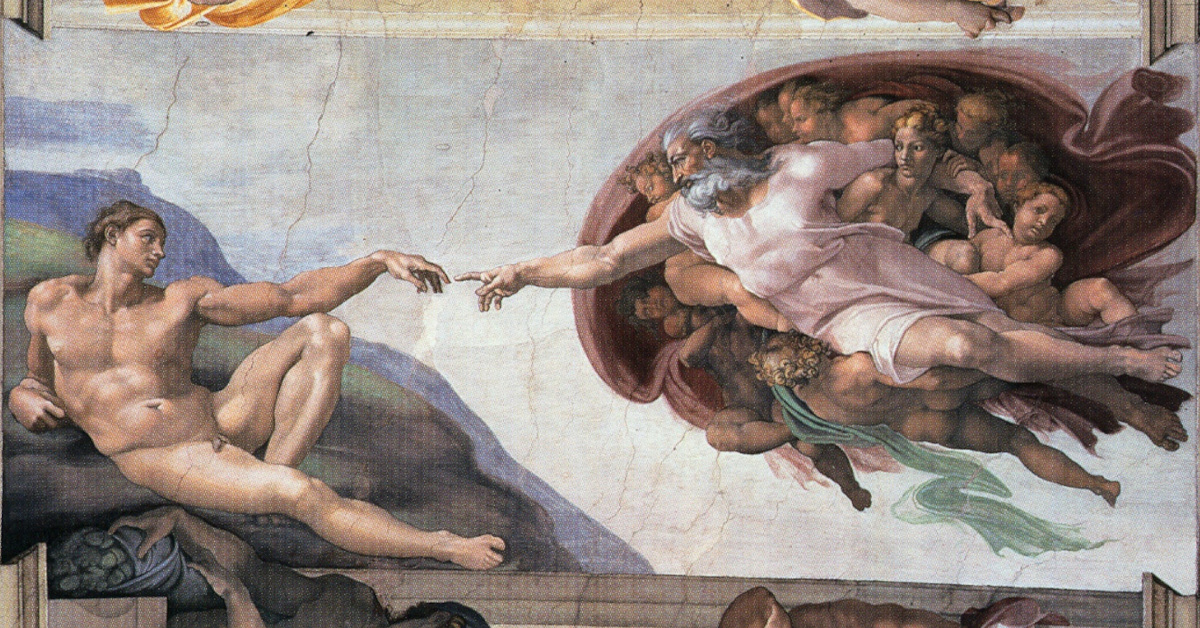
Fino alla maestosa Cappella Sistina, culmine di luce e spiritualità, dove Michelangelo dipinse l’eternità sul soffitto.
Ogni sala è una pagina viva della civiltà.

3. The Path of Masterpieces

The Vatican Museums are a journey through human history.
From the Gallery of Maps, with its detailed 16th-century frescoes, to the Raphael Rooms, where grace meets theology.
And finally, the Sistine Chapel — the summit of light and spirit, where Michelangelo painted eternity across the ceiling.
Every hall is a living page of civilization.


4. Tesori nascosti – I musei dentro il museo

Oltre ai capolavori più celebri, i Musei Vaticani custodiscono collezioni meno note ma straordinarie:
il Museo Gregoriano Egizio, con reperti di oltre tremila anni fa,
il Museo Etnologico Anima Mundi, dedicato alle culture del mondo,
e il Padiglione delle Carrozze, dove sono esposti i mezzi papali di ogni epoca.
Ogni sezione racconta una diversa dimensione del rapporto tra uomo, arte e fede.

4. Hidden Treasures – The Museums Within the Museum

Beyond the iconic masterpieces, the Vatican Museums hold lesser-known yet extraordinary collections:
the Gregorian Egyptian Museum, displaying relics from over three millennia ago,
the Ethnological Museum Anima Mundi, celebrating world cultures,
and the Carriage Pavilion, showcasing papal vehicles from across centuries.
Each collection reveals a different facet of humanity’s bond with art and faith.


5. Architettura e simbolismo

Il complesso dei Musei Vaticani si sviluppa intorno a cortili monumentali, scalinate elicoidali e sale che uniscono arte e armonia.
La celebre scala di Giuseppe Momo, con la sua spirale perfetta, rappresenta il cammino verso la conoscenza.
Ogni spazio invita alla contemplazione, ricordando che la bellezza non è solo da guardare — è da comprendere.

5. Architecture and Symbolism

The Vatican Museums’ architecture unfolds through monumental courtyards, helical staircases, and rooms that blend art and harmony.
The famous Momo staircase, with its perfect spiral, symbolizes the path toward knowledge.
Each space invites contemplation, reminding us that beauty is not only to be seen — but to be understood.


6. Visitare i Musei Vaticani oggi

Oggi i Musei Vaticani accolgono più di sei milioni di visitatori l’anno.
Per godere appieno dell’esperienza, il consiglio è di arrivare presto, o scegliere la visita serale quando i corridoi si fanno silenziosi.
È consigliato prenotare online per evitare le lunghe file.
E non dimenticare di uscire verso la Basilica di San Pietro, attraversando la maestosa Scala Regia: un passaggio che unisce arte e spiritualità.

6. Visiting the Vatican Museums Today

Today, the Vatican Museums welcome over six million visitors annually.
To truly enjoy the experience, arrive early or choose an evening visit, when the halls grow quiet.
Online booking is highly recommended to avoid long queues.
And don’t miss exiting toward St. Peter’s Basilica, through the majestic Scala Regia — a passage that unites art and spirit.


7. Curiosità e meraviglia

💡 Lo sapevi?

  • Se visitassi ogni opera per un solo minuto, servirebbero più di 12 anni per vedere tutto!
  • La Cappella Sistina è ancora oggi il luogo dove si riunisce il Conclave per eleggere il Papa.
  • Il cortile della Pigna deve il nome a una gigantesca scultura in bronzo romano raffigurante… proprio una pigna!

7. Curiosities and Wonders

💡 Did you know?

  • If you spent just one minute on each artwork, it would take over 12 years to see everything!
  • The Sistine Chapel still hosts the Conclave where new Popes are elected.
  • The Courtyard of the Pinecone takes its name from a huge ancient bronze sculpture… of a pinecone!

8. Conclusione – Dove la bellezza incontra l’eterno

Visitare i Musei Vaticani non significa solo ammirare l’arte: significa ascoltare il dialogo millenario tra fede e creatività umana.
Ogni sala è una preghiera in forma di colore, ogni statua un frammento d’infinito.
Nel silenzio della Cappella Sistina, si comprende che l’eternità non è lontana — è nelle mani dell’uomo che sa creare.

8. Conclusion – Where Beauty Meets the Eternal

Visiting the Vatican Museums isn’t just about admiring art — it’s about hearing the timeless dialogue between faith and human creativity.
Every hall is a prayer in color, every statue a fragment of the infinite.
In the silence of the Sistine Chapel, you realize that eternity isn’t distant — it lies within the human act of creation.
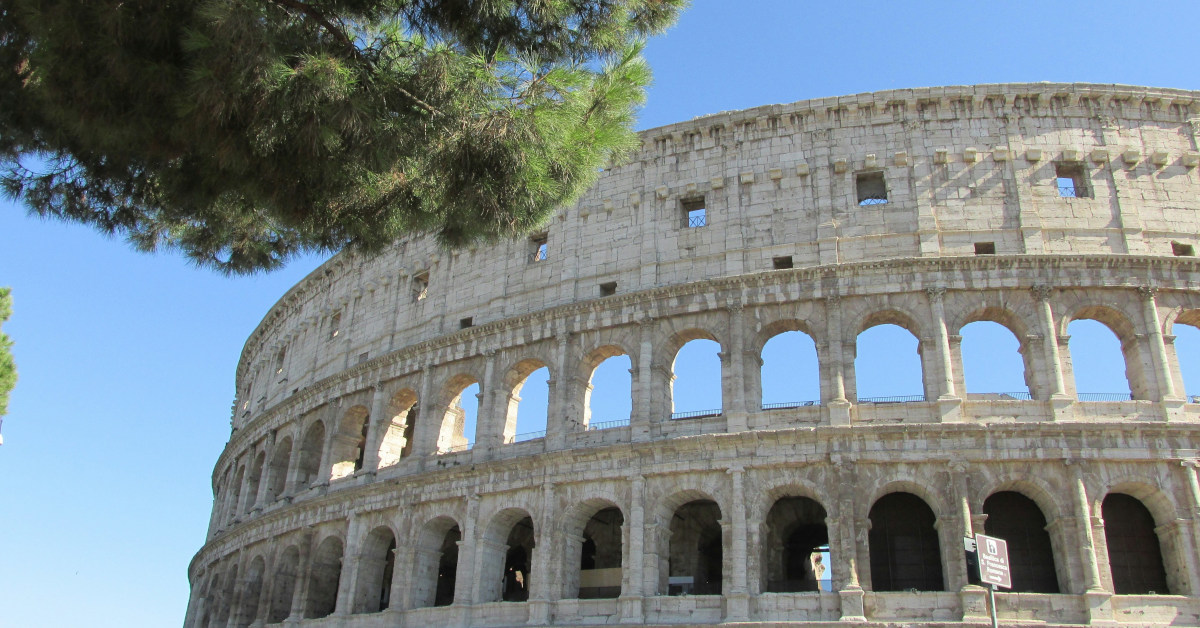
🏛️ Il Colosseo: simbolo eterno di Roma e del mondo antico

Il Colosseo: simbolo eterno di Roma e del mondo antico - The Colosseum: Eternal Symbol of Rome and the Ancient World

🏛️ The Colosseum: Eternal Symbol of Rome and the Ancient World

Il Colosseo non è solo il monumento più famoso di Roma: è la sua anima, la memoria vivente di un impero che ha segnato la storia del mondo. Scopri come nacque, come venne usato, e perché ancora oggi continua a incantare milioni di visitatori.

The Colosseum is more than just Rome’s most famous monument — it is the city’s soul, the living memory of an empire that shaped world history. Discover how it was built, what it once hosted, and why it continues to captivate millions today.

1. Introduzione – L’anima di Roma in un solo sguardo

The Soul of Rome in a Single Glance

Imponente, maestoso, eppure silenzioso testimone di duemila anni di storia: il Colosseo è molto più di un monumento.
È il cuore pulsante di Roma antica, il punto in cui ogni viaggiatore sente di toccare l’eternità.

Imposing, majestic, yet silently standing as a witness to two thousand years of history — the Colosseum is far more than just a monument.
It is the beating heart of ancient Rome, where every traveler feels they are touching eternity.


2. Le origini – Il dono degli imperatori al popolo di Roma

Origins – The Emperors’ Gift to the People of Rome

Costruito per volere di Vespasiano e completato dal figlio Tito nell’anno 80 d.C., il Colosseo nacque come dono al popolo.
Fu eretto nel luogo dove sorgeva un lago artificiale della Domus Aurea di Nerone, simbolicamente restituito ai cittadini.

Commissioned by Emperor Vespasian and completed by his son Titus in 80 AD, the Colosseum was conceived as a grand gift to the Roman people.
It was built where Nero’s artificial lake once stood — symbolically returning land to the citizens.


3. Architettura e ingegneria – Un capolavoro senza tempo

Architecture and Engineering – A Masterpiece Beyond Time

Con una capienza di oltre 50.000 spettatori, il Colosseo stupisce ancora oggi per la sua efficienza.
Quattro ordini di arcate e scale perfettamente organizzate consentivano di svuotare l’arena in pochi minuti.
Sotto il suolo, l’ipogeo nascondeva montacarichi, gabbie e corridoi.

With a capacity of over 50,000, the Colosseum still amazes with its design.
Four tiers of arches and precisely arranged stairways allowed the arena to empty within minutes.
Below ground, the hypogeum concealed elevators, cages, and tunnels — a marvel of Roman engineering.


4. Gli spettacoli – Il battito del popolo romano

The Spectacles – The Heartbeat of the Roman People

Nel Colosseo prendeva vita lo spirito della Roma imperiale.
Gladiatori, fiere esotiche e battaglie navali simulate accendevano l’entusiasmo della folla.
Il pubblico decideva la sorte dei combattenti con un gesto della mano.

Inside the Colosseum, the spirit of imperial Rome came alive.
Gladiators, wild beasts, and mock naval battles thrilled the crowds.
The audience decided the fate of fighters with a single hand gesture — drama, politics, and spectacle intertwined.


5. Declino e rinascita – Dal silenzio delle rovine alla gloria eterna

Decline and Rebirth – From Silence to Eternal Glory

Con la fine dell’Impero Romano, il Colosseo cadde nel silenzio.
Fu usato come cava, rifugio e perfino fortezza.
Rinacque nel Rinascimento come simbolo di grandezza e arte, ispirando viaggiatori e pittori di ogni tempo.

With the fall of the Roman Empire, the Colosseum fell silent.
It became a quarry, a shelter, and even a fortress.
During the Renaissance, it rose again — as a symbol of artistic grandeur, inspiring travelers and painters alike.


6. Il Colosseo oggi – Un viaggio nel cuore della storia

The Colosseum Today – A Journey into the Heart of History

Oggi il Colosseo accoglie milioni di visitatori ogni anno.
È possibile esplorare l’arena, i sotterranei e i piani superiori con vista mozzafiato sul Foro Romano.
Il momento migliore? All’alba o al tramonto, quando la luce trasforma le pietre in oro.

Today, the Colosseum welcomes millions of visitors each year.
You can explore the arena, the underground passages, and the upper levels overlooking the Roman Forum.
The best time to visit? At sunrise or sunset, when the light turns its stones to gold.


7. Curiosità e simbolismo – Il Colosseo di ieri e di oggi

Curiosities and Symbolism – The Colosseum Then and Now

Il nome “Colosseo” deriva dal Colosso di Nerone, la statua gigantesca che sorgeva accanto all’anfiteatro.
Oggi è simbolo di pace: si illumina di bianco ogni volta che nel mondo viene sospesa una condanna a morte.
Presente in film, romanzi e opere d’arte, è l’icona assoluta di Roma.

The name “Colosseum” comes from Nero’s Colossus, a gigantic statue that once stood beside it.
Today, it stands as a symbol of peace, lighting up in white whenever a death sentence is suspended somewhere in the world.
It has appeared in countless films, books, and artworks — the ultimate icon of Rome.

💡 Lo sapevi? / Did you know?
Per costruirlo furono impiegati più di 100.000 m³ di travertino, trasportati da cave a oltre 20 km di distanza!
More than 100,000 cubic meters of travertine were used to build it, hauled from quarries over 20 kilometers away!


8. Conclusione – Dove il tempo si ferma

Conclusion – Where Time Stands Still

Il Colosseo non è una semplice rovina, ma un respiro del passato che continua a parlare al presente.
Ogni arco, ogni pietra racconta una storia di potere, di popolo e di eternità.

The Colosseum is not just a ruin, but a breath of the past that still speaks to the present.
Every arch, every stone tells a story of power, people, and timelessness — the true meaning of “eternal Rome”.

The story of Amatriciana Pasta (Matriciana Pasta)

One of the most appetizing sauces of Roman cuisine (though originally from Lazio) is made up of a few selected ingredients: fried pudding and shade with dry white wine, tomato, pecorino cheese. A wonderful and unrepeatable blend of flavors and scents.

Amatriciana pasta comes from gricia pasta (or griscia). According to some sources, the name would come from Gricio, the bread-seller and other edible goods of nineteenth-century in Rome. The name Gricio in turn would also come from a group of these sellers, immigrated to Rome from the Swiss Canton of Grigioni (Graubünden). Another source states that this name originated from the village of Grisciano (a few miles from Amatrice, part of the municipality of Accumoli) where this recipe had long been spread. Gricia or Griscia has always been known as amatriciana without the tomato, although it differs for some ingredients.

Here a complete recipe (in italian) of Amatriciana Spaghetti

The invention of tomato sauce at the end of the eighteenth century allowed the introduction of the tomato in the quill, creating the Amatriciana (the first written testimony dates back to 1790 by the Roman cook Francesco Leonardi).

The close link between Rome and Amatrice (dating back to the early 1400s) allowed the wide spread of this recipe also because many Osterie (popular restaurants) of the nineteenth century were handled by Osti originals of Amatrice. The term Matriciano thus became synonymous with Inn with cooking.

Although Amatriciana or Matriciana has other origins, it has always been considered a typical recipe in Rome.

Papa Rex – Traditional Restaurant in Rome since 1991 – Saint Peter – Vatican area

The Restoration of “Fontana delle Api” (Fountain of the Bees)

Thanks to a collection organized by a Dutch school, the “Fontana delle API” (copy of a lost opera by Gian Lorenzo Bernini) has been restored.

To fund the intervention, on this fountain and another at viale Tiziano, a pool of sponsors – mostly Dutch patrons – decided to pay tribute to Rome after the damage done by the hooligans to the Barcaccia Fountain in February 2015, on the eve of Game Rome-Feyenoord.

This fountain is a copy of the original, a work by Gian Lorenzo Bernini, financed by Pope Urban VIII Bernini (Bee was the heraldic symbol of the Bernini family) and located near Palazzo Soderini, between Piazza Barberini and Via Sistina. The main function was to feed the horses.

The fountain was disassembled in 1880 for reasons of road safety, decomposed and put into the municipal warehouse of Testaccio. In 1915, it was decided to put it back in place, but most of the pieces were lost (probably re-used) and a copy was commissioned to Adolfo Apolloni, who instead of the original lunar marble used the travertine from the demolished Porta Salaria.

The fountain, modified in some parts with respect to the original work, was inaugurated on January 28, 1916 in its present location at the entrance to via Veneto from Piazza Barberini.

Papa Rex – Traditional Restaurant in Rome since 1991 – Saint Peter – Vatican area

[cn-social-icon]

Traditional Rome Cuisine

Roman cuisine is based on seasonal ingredients mostly from Roman Campagna, and prepared in a simple way. The most important are vegetables (typical are peas, globe artichokes and fava beans), meat (milk lamb and goat) and cheeses (Pecorino romano and ricotta), olive oil (used only for raw ingredients and to fry) Specific dishes are often assigned to the days of the week, such as gnocchi on Thursday, baccalà (salted cod) on Fridays, and trippa for Saturdays.

Rome’s food has evolved through centuries and periods of social, cultural, and political changes. Rome became a major gastronomical center during ancient age. Ancient Roman cuisine was highly influenced by Ancient Greek culture. Subsequently, the empire’s enormous expansion exposed Romans to many new, provincial culinary habits and cooking techniques.

The most common or ancient Roman cuisine included the “fifth quarter”. Popular foods include pig’s trotters, brain, and the genitals of other animals, which were often carefully cooked and richly spiced with different savouries, spices and herbs. The old-fashioned coda alla vaccinara (oxtail cooked in the way of butchers) is still one of the city’s most popular meals and is part of most of Rome’s restaurants’ menus. Lamb is also a very popular part of Roman cuisine, and is often roasted with spices and herbs. There is a considerable Jewish influence in Roman cuisine, since they were many in the city, and some of the traditional meals of the ghetto date back over 400 years. Such include the carciofi alla giudia (Jewish-style artichokes) and Jewish courgettes.

Pasta is one important element of Roman cuisine. Famous pasta sauces include amatriciana, carbonara, (a sauce made with pancetta or guanciale – pig’s cheek -, cheese and egg), cacio e pepe and gricia (like carbonara but without eggs).

Rome is the centre of white wine, especially with the warm territory. Frascati and Castelli Romani have been called the best ones in the city.

Papa Rex – Traditional Restaurant in Rome since 1991 – Saint Peter – Vatican area

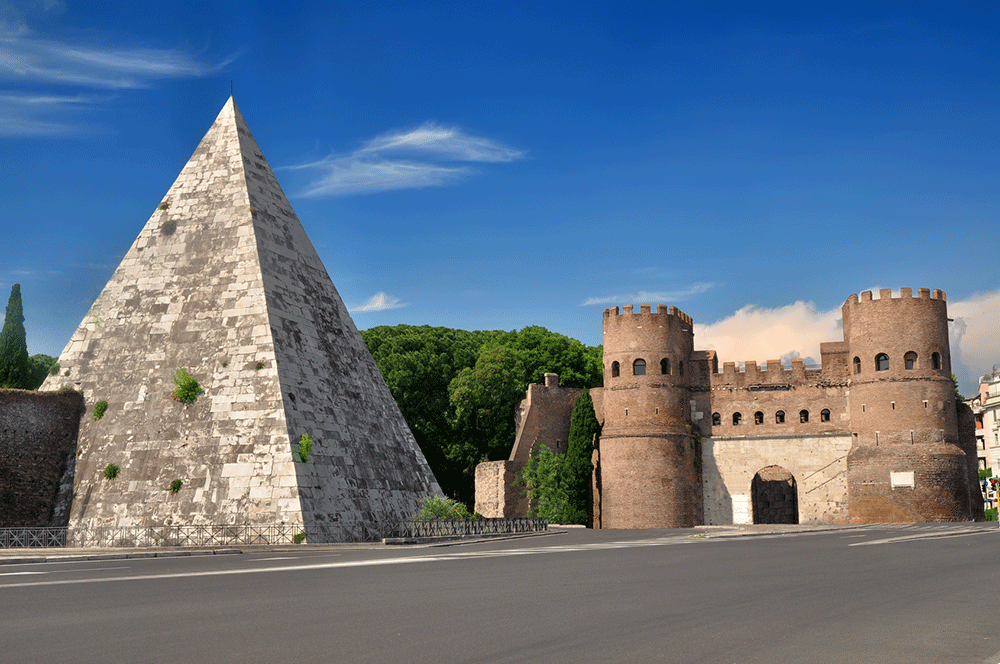
Pyramid of Cestius

The Pyramid of Cestius (Piramide di Caio Cestio or Piramide Cestia) is an ancient pyramid near the Porta San Paolo and the Protestant Cemetery. It stands at a fork between two ancient roads, the Via Ostiensis and another road that ran west to the Tiber along the approximate line of the modern Via della Marmorata. Due to its incorporation into the city’s fortifications, it is today one of the best-preserved ancient buildings in Rome.

The pyramid was built about 18–12 BC as a tomb for Gaius Cestius, a magistrate and member of one of the four great religious corporations in Rome, the Septemviri Epulonum. It is of brick-faced concrete covered with slabs of white marble standing on a travertine foundation. The pyramid measures 100 Roman feet (29.6 m) square at the base and stands 125 Roman feet (37 m) high.

In the interior is the burial chamber, a simple barrel-vaulted rectangular cavity measuring 5.95 metres long, 4.10 m wide and 4.80 m high. When opened in 1660, the chamber was found to be decorated with frescoes, which were recorded by Pietro Santi Bartoli. Only scant traces of these frescoes survive, and no trace of any other contents. The tomb had been sealed when it was built, with no exterior entrance, but had been plundered at some time thereafter, probably during antiquity.

Papa Rex – Traditional Restaurant in Rome since 1991 – Saint Peter – Vatican area

Welcome to Papa Rex Blog!

Welcome to Papa Rex Blog!

This is the place where find news about Rome, Vatican and, obviously, tasty recipes of the traditional italian and typical roman cuisine.

Allow us to introduce ourself and be happy to know Papa Rex – Typical Restaurant in Rome since 1991, a few steps from St. Peter’s Basilica in the Vatican is the place where true Rome are still living and where you will find the Typical Roman Cuisine and the Traditional Italian Cuisine and a Selection of fine White Wines and Red Wines from every region of the entire Italian territory.avoid post revision

Open the whole year for lunch and dinner Papa Rex – Typical Restaurant in Rome since 1991 has more than 450 seats, divided into four themed rooms, all strictly of Roman Traditional Atmosphere, from the Splendor of the Ancient Roman Empire, to the period of the Kingdom of the Papal Pontificate, to get to the late 800 of Trastevere and Rugantino.

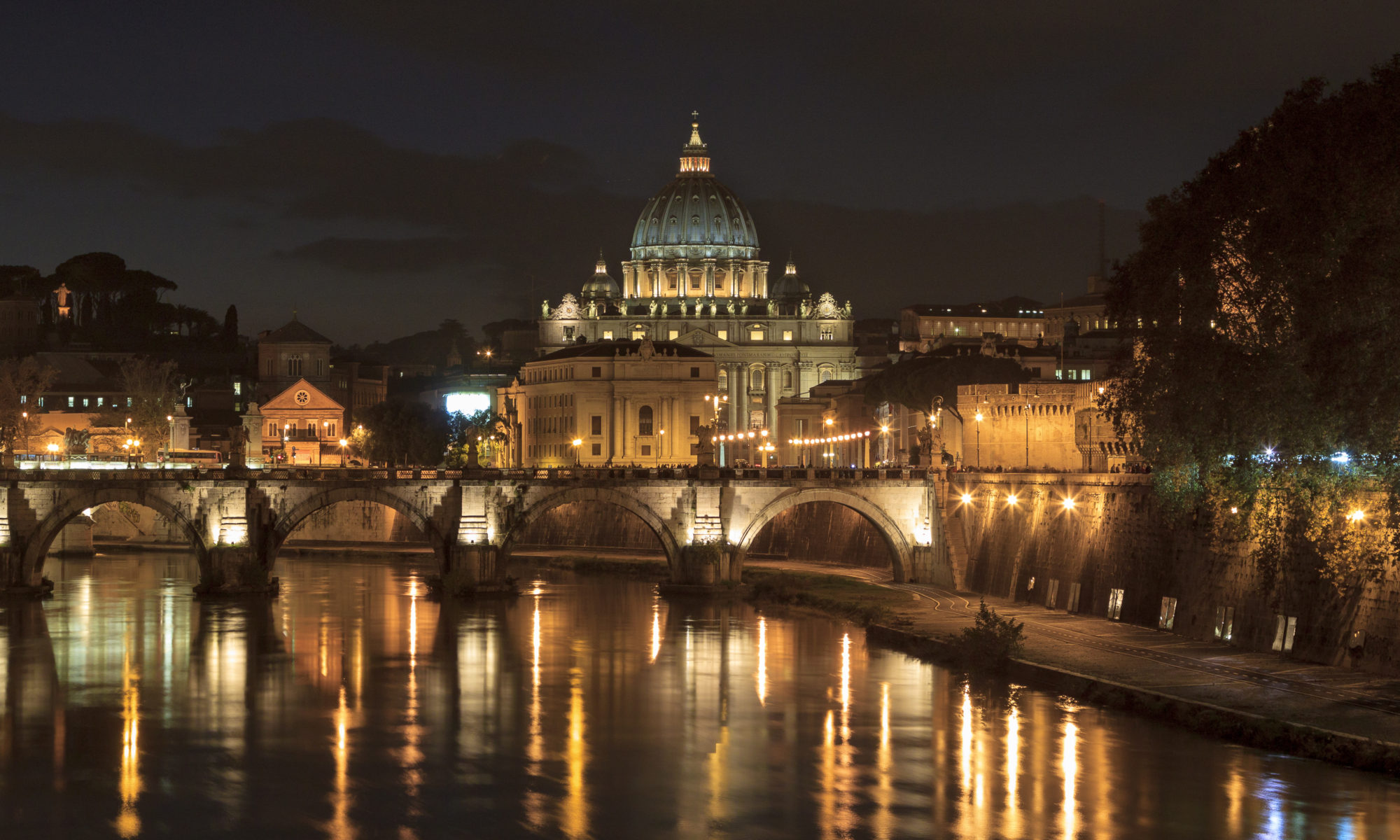
The privileged location of Papa Rex – Typical Restaurant in Rome since 1991 will allow you to enjoy the unique experience of enjoying lunch or dinner in one of the most beautiful and evocative place of Rome, the St. Peter’s Basilica at the Vatican a few tens of meters from the Cupolone (Dome).

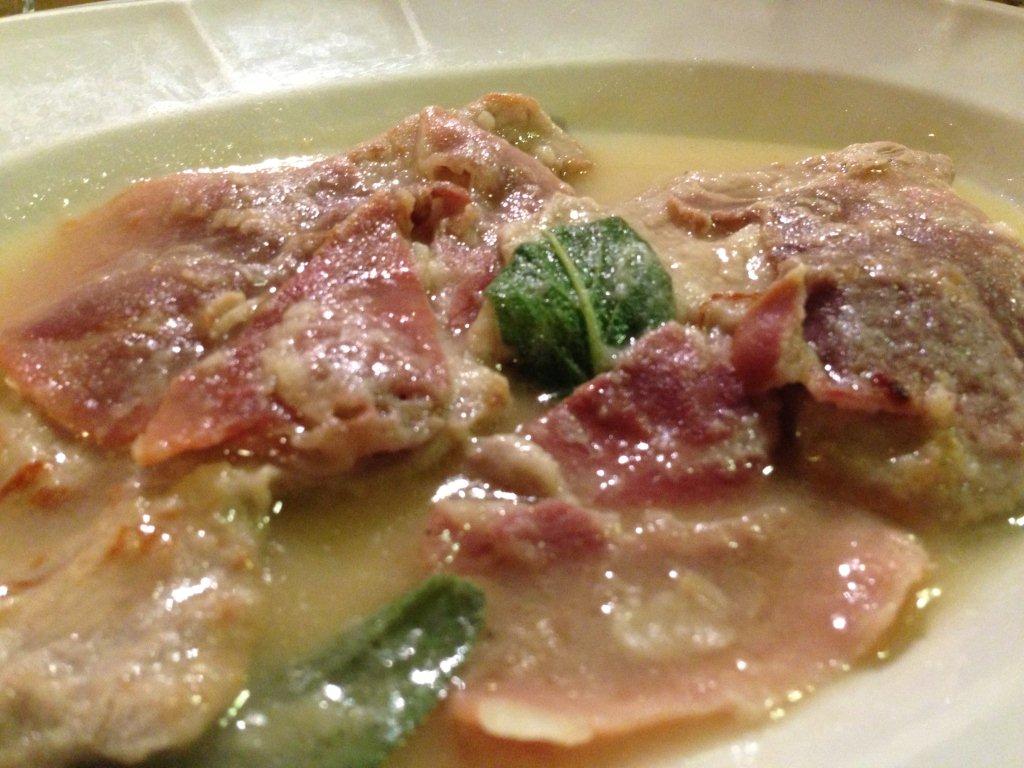
Curtains, paintings of the Roman Empire, earthenware pottery and all remember the Rome of the past period, will surround your table, whilst enjoying the Saltimbocca alla Romana, the Amatriciana Spaghetti, Linguine with Lobster, Tiramisù and all the other dishes of meat, fish and vegetables prepared by Chef of Papa Rex – Typical Restaurant in Rome since 1991 strictly following the original recipes.

The courtesy of the staff room, the quality of the ingredients, the expertise and passion of those who prepare the dishes of Typical Roman Cuisine and the Traditional Italian Cuisine make of Papa Rex – Typical Restaurant in Rome since 1991 the ideal place also for tourist groups and tour operator.

Papa Rex – Typical Restaurant in Rome since 1991, it is easy to get to, friendly, traditional, typical, exciting and evocative: The Monument Gourmet to visit to taste the true flavor of Rome.


Papa Rex – Traditional Restaurant in Rome since 1991 – Saint Peter – Vatican area