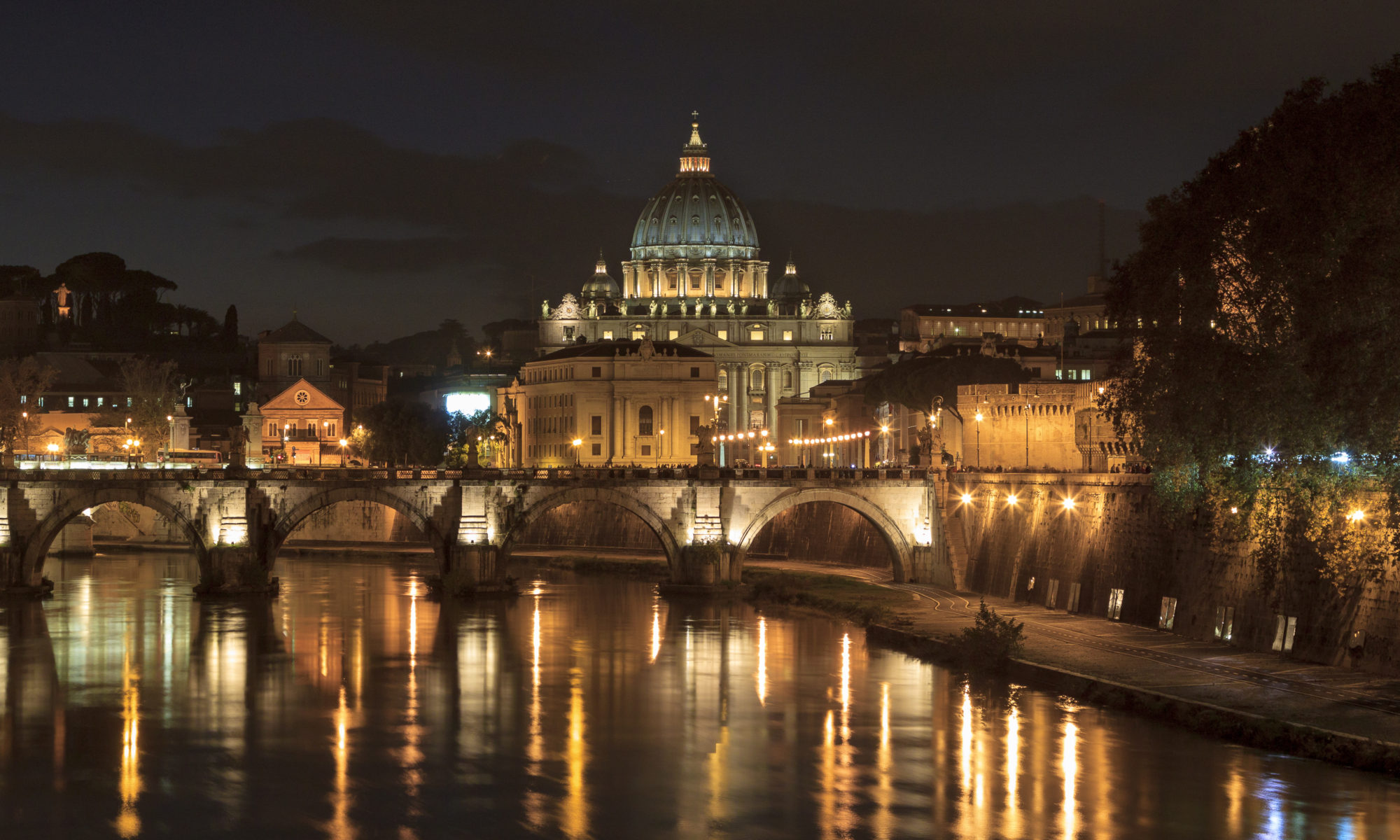

I Musei Vaticani: Un Viaggio Attraverso Secoli di Arte e Fede

The Vatican Museums: A Journey Through Centuries of Art and Faith

Scopri i Musei Vaticani — un emozionante viaggio tra arte, storia e spiritualità nel cuore di Roma. Dalla Cappella Sistina ai tesori meno conosciuti, vivi la bellezza senza tempo del Vaticano.

Discover the Vatican Museums — a breathtaking journey through art, history, and spirituality in the heart of Rome. From the Sistine Chapel to hidden treasures, explore the soul of centuries of beauty.


1. Un mondo dentro Roma

I Musei Vaticani non sono un semplice museo: sono un universo d’arte e cultura racchiuso tra le mura del più piccolo Stato del mondo.
Fondati nel 1506 da papa Giulio II, custodiscono secoli di capolavori raccolti, commissionati e tramandati dai pontefici.
Visitandoli, si attraversano oltre 7 chilometri di gallerie e cortili, tra marmi, affreschi e silenzi che raccontano l’anima di Roma e della cristianità.

1. A World Within Rome

The Vatican Museums are not just a museum — they’re a universe of art and culture enclosed within the smallest State in the world.
Founded in 1506 by Pope Julius II, they preserve centuries of masterpieces collected, commissioned, and passed down by Popes.
Visitors walk through over 7 kilometers of galleries and courtyards, surrounded by marble, frescoes, and silence — echoes of both Rome and faith.


2. Le origini – La visione di Giulio II

Tutto iniziò con una statua: il Laocoonte, scoperta sul colle Oppio.
Fu il primo nucleo della collezione papale, presto arricchito da opere classiche e rinascimentali.
Giulio II comprese che l’arte era un linguaggio universale, capace di parlare a credenti e non credenti.
Da allora, ogni pontefice ha contribuito a questo dialogo tra bellezza e fede.

2. Origins – The Vision of Julius II

It all began with a statue: Laocoön, unearthed on the Oppian Hill.
It became the cornerstone of the papal collection, soon expanded with classical and Renaissance works.
Pope Julius II understood that art is a universal language — one that speaks beyond belief.
Since then, every Pope has contributed to this dialogue between beauty and faith.


3. L’itinerario dei capolavori

Il percorso dei Musei Vaticani è un viaggio nella storia dell’umanità.
Dalla Galleria delle Carte Geografiche, con i suoi dettagliati affreschi seicenteschi, alle Stanze di Raffaello, dove la grazia incontra la teologia.
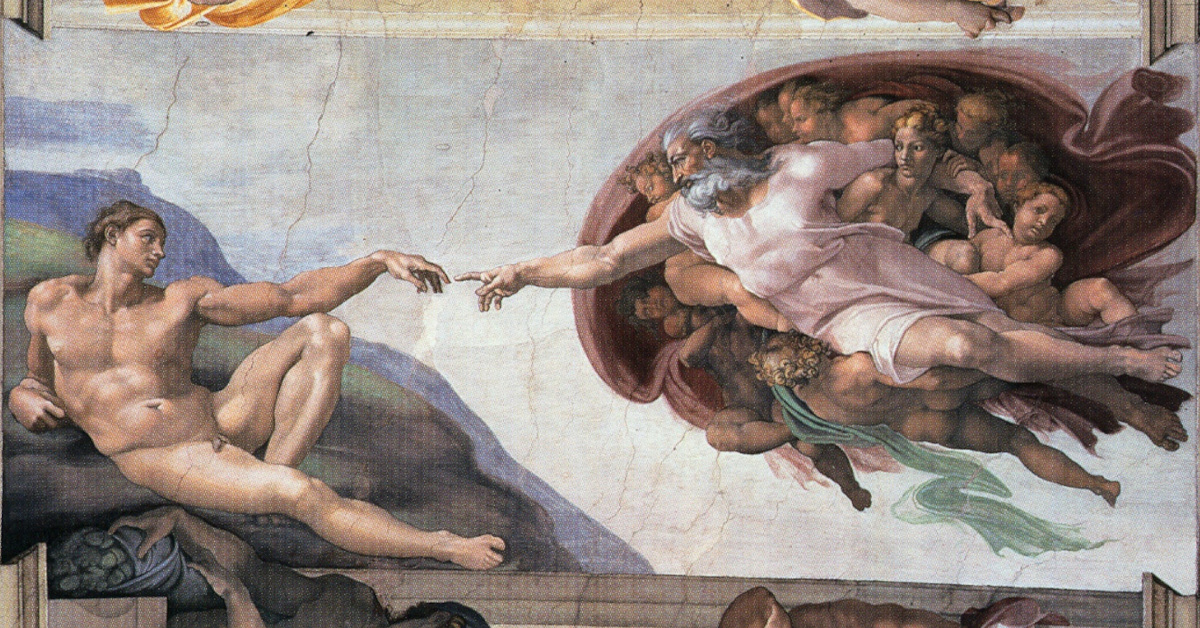
Fino alla maestosa Cappella Sistina, culmine di luce e spiritualità, dove Michelangelo dipinse l’eternità sul soffitto.
Ogni sala è una pagina viva della civiltà.

3. The Path of Masterpieces

The Vatican Museums are a journey through human history.
From the Gallery of Maps, with its detailed 16th-century frescoes, to the Raphael Rooms, where grace meets theology.
And finally, the Sistine Chapel — the summit of light and spirit, where Michelangelo painted eternity across the ceiling.
Every hall is a living page of civilization.


4. Tesori nascosti – I musei dentro il museo

Oltre ai capolavori più celebri, i Musei Vaticani custodiscono collezioni meno note ma straordinarie:
il Museo Gregoriano Egizio, con reperti di oltre tremila anni fa,
il Museo Etnologico Anima Mundi, dedicato alle culture del mondo,
e il Padiglione delle Carrozze, dove sono esposti i mezzi papali di ogni epoca.
Ogni sezione racconta una diversa dimensione del rapporto tra uomo, arte e fede.

4. Hidden Treasures – The Museums Within the Museum

Beyond the iconic masterpieces, the Vatican Museums hold lesser-known yet extraordinary collections:
the Gregorian Egyptian Museum, displaying relics from over three millennia ago,
the Ethnological Museum Anima Mundi, celebrating world cultures,
and the Carriage Pavilion, showcasing papal vehicles from across centuries.
Each collection reveals a different facet of humanity’s bond with art and faith.


5. Architettura e simbolismo

Il complesso dei Musei Vaticani si sviluppa intorno a cortili monumentali, scalinate elicoidali e sale che uniscono arte e armonia.
La celebre scala di Giuseppe Momo, con la sua spirale perfetta, rappresenta il cammino verso la conoscenza.
Ogni spazio invita alla contemplazione, ricordando che la bellezza non è solo da guardare — è da comprendere.

5. Architecture and Symbolism

The Vatican Museums’ architecture unfolds through monumental courtyards, helical staircases, and rooms that blend art and harmony.
The famous Momo staircase, with its perfect spiral, symbolizes the path toward knowledge.
Each space invites contemplation, reminding us that beauty is not only to be seen — but to be understood.


6. Visitare i Musei Vaticani oggi

Oggi i Musei Vaticani accolgono più di sei milioni di visitatori l’anno.
Per godere appieno dell’esperienza, il consiglio è di arrivare presto, o scegliere la visita serale quando i corridoi si fanno silenziosi.
È consigliato prenotare online per evitare le lunghe file.
E non dimenticare di uscire verso la Basilica di San Pietro, attraversando la maestosa Scala Regia: un passaggio che unisce arte e spiritualità.

6. Visiting the Vatican Museums Today

Today, the Vatican Museums welcome over six million visitors annually.
To truly enjoy the experience, arrive early or choose an evening visit, when the halls grow quiet.
Online booking is highly recommended to avoid long queues.
And don’t miss exiting toward St. Peter’s Basilica, through the majestic Scala Regia — a passage that unites art and spirit.


7. Curiosità e meraviglia

💡 Lo sapevi?

  • Se visitassi ogni opera per un solo minuto, servirebbero più di 12 anni per vedere tutto!
  • La Cappella Sistina è ancora oggi il luogo dove si riunisce il Conclave per eleggere il Papa.
  • Il cortile della Pigna deve il nome a una gigantesca scultura in bronzo romano raffigurante… proprio una pigna!

7. Curiosities and Wonders

💡 Did you know?

  • If you spent just one minute on each artwork, it would take over 12 years to see everything!
  • The Sistine Chapel still hosts the Conclave where new Popes are elected.
  • The Courtyard of the Pinecone takes its name from a huge ancient bronze sculpture… of a pinecone!

8. Conclusione – Dove la bellezza incontra l’eterno

Visitare i Musei Vaticani non significa solo ammirare l’arte: significa ascoltare il dialogo millenario tra fede e creatività umana.
Ogni sala è una preghiera in forma di colore, ogni statua un frammento d’infinito.
Nel silenzio della Cappella Sistina, si comprende che l’eternità non è lontana — è nelle mani dell’uomo che sa creare.

8. Conclusion – Where Beauty Meets the Eternal

Visiting the Vatican Museums isn’t just about admiring art — it’s about hearing the timeless dialogue between faith and human creativity.
Every hall is a prayer in color, every statue a fragment of the infinite.
In the silence of the Sistine Chapel, you realize that eternity isn’t distant — it lies within the human act of creation.
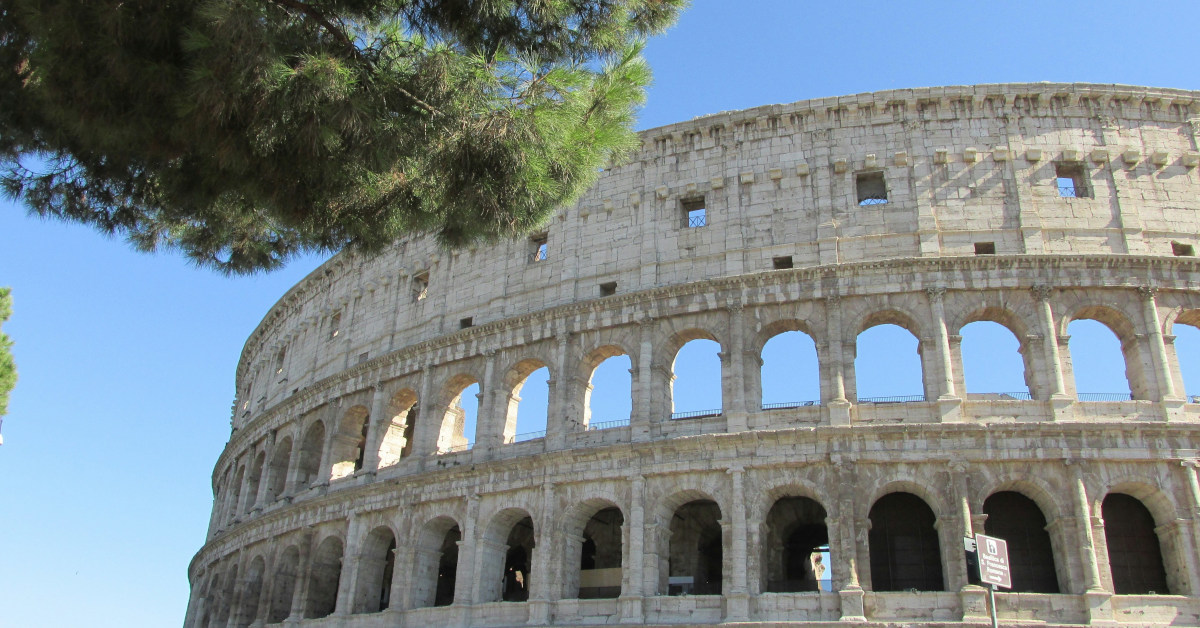
🏛️ Il Colosseo: simbolo eterno di Roma e del mondo antico

Il Colosseo: simbolo eterno di Roma e del mondo antico - The Colosseum: Eternal Symbol of Rome and the Ancient World

🏛️ The Colosseum: Eternal Symbol of Rome and the Ancient World

Il Colosseo non è solo il monumento più famoso di Roma: è la sua anima, la memoria vivente di un impero che ha segnato la storia del mondo. Scopri come nacque, come venne usato, e perché ancora oggi continua a incantare milioni di visitatori.

The Colosseum is more than just Rome’s most famous monument — it is the city’s soul, the living memory of an empire that shaped world history. Discover how it was built, what it once hosted, and why it continues to captivate millions today.

1. Introduzione – L’anima di Roma in un solo sguardo

The Soul of Rome in a Single Glance

Imponente, maestoso, eppure silenzioso testimone di duemila anni di storia: il Colosseo è molto più di un monumento.
È il cuore pulsante di Roma antica, il punto in cui ogni viaggiatore sente di toccare l’eternità.

Imposing, majestic, yet silently standing as a witness to two thousand years of history — the Colosseum is far more than just a monument.
It is the beating heart of ancient Rome, where every traveler feels they are touching eternity.


2. Le origini – Il dono degli imperatori al popolo di Roma

Origins – The Emperors’ Gift to the People of Rome

Costruito per volere di Vespasiano e completato dal figlio Tito nell’anno 80 d.C., il Colosseo nacque come dono al popolo.
Fu eretto nel luogo dove sorgeva un lago artificiale della Domus Aurea di Nerone, simbolicamente restituito ai cittadini.

Commissioned by Emperor Vespasian and completed by his son Titus in 80 AD, the Colosseum was conceived as a grand gift to the Roman people.
It was built where Nero’s artificial lake once stood — symbolically returning land to the citizens.


3. Architettura e ingegneria – Un capolavoro senza tempo

Architecture and Engineering – A Masterpiece Beyond Time

Con una capienza di oltre 50.000 spettatori, il Colosseo stupisce ancora oggi per la sua efficienza.
Quattro ordini di arcate e scale perfettamente organizzate consentivano di svuotare l’arena in pochi minuti.
Sotto il suolo, l’ipogeo nascondeva montacarichi, gabbie e corridoi.

With a capacity of over 50,000, the Colosseum still amazes with its design.
Four tiers of arches and precisely arranged stairways allowed the arena to empty within minutes.
Below ground, the hypogeum concealed elevators, cages, and tunnels — a marvel of Roman engineering.


4. Gli spettacoli – Il battito del popolo romano

The Spectacles – The Heartbeat of the Roman People

Nel Colosseo prendeva vita lo spirito della Roma imperiale.
Gladiatori, fiere esotiche e battaglie navali simulate accendevano l’entusiasmo della folla.
Il pubblico decideva la sorte dei combattenti con un gesto della mano.

Inside the Colosseum, the spirit of imperial Rome came alive.
Gladiators, wild beasts, and mock naval battles thrilled the crowds.
The audience decided the fate of fighters with a single hand gesture — drama, politics, and spectacle intertwined.


5. Declino e rinascita – Dal silenzio delle rovine alla gloria eterna

Decline and Rebirth – From Silence to Eternal Glory

Con la fine dell’Impero Romano, il Colosseo cadde nel silenzio.
Fu usato come cava, rifugio e perfino fortezza.
Rinacque nel Rinascimento come simbolo di grandezza e arte, ispirando viaggiatori e pittori di ogni tempo.

With the fall of the Roman Empire, the Colosseum fell silent.
It became a quarry, a shelter, and even a fortress.
During the Renaissance, it rose again — as a symbol of artistic grandeur, inspiring travelers and painters alike.


6. Il Colosseo oggi – Un viaggio nel cuore della storia

The Colosseum Today – A Journey into the Heart of History

Oggi il Colosseo accoglie milioni di visitatori ogni anno.
È possibile esplorare l’arena, i sotterranei e i piani superiori con vista mozzafiato sul Foro Romano.
Il momento migliore? All’alba o al tramonto, quando la luce trasforma le pietre in oro.

Today, the Colosseum welcomes millions of visitors each year.
You can explore the arena, the underground passages, and the upper levels overlooking the Roman Forum.
The best time to visit? At sunrise or sunset, when the light turns its stones to gold.


7. Curiosità e simbolismo – Il Colosseo di ieri e di oggi

Curiosities and Symbolism – The Colosseum Then and Now

Il nome “Colosseo” deriva dal Colosso di Nerone, la statua gigantesca che sorgeva accanto all’anfiteatro.
Oggi è simbolo di pace: si illumina di bianco ogni volta che nel mondo viene sospesa una condanna a morte.
Presente in film, romanzi e opere d’arte, è l’icona assoluta di Roma.

The name “Colosseum” comes from Nero’s Colossus, a gigantic statue that once stood beside it.
Today, it stands as a symbol of peace, lighting up in white whenever a death sentence is suspended somewhere in the world.
It has appeared in countless films, books, and artworks — the ultimate icon of Rome.

💡 Lo sapevi? / Did you know?
Per costruirlo furono impiegati più di 100.000 m³ di travertino, trasportati da cave a oltre 20 km di distanza!
More than 100,000 cubic meters of travertine were used to build it, hauled from quarries over 20 kilometers away!


8. Conclusione – Dove il tempo si ferma

Conclusion – Where Time Stands Still

Il Colosseo non è una semplice rovina, ma un respiro del passato che continua a parlare al presente.
Ogni arco, ogni pietra racconta una storia di potere, di popolo e di eternità.

The Colosseum is not just a ruin, but a breath of the past that still speaks to the present.
Every arch, every stone tells a story of power, people, and timelessness — the true meaning of “eternal Rome”.

L’eredità di Papa Francesco: un pontificato tra riforme e dialogo

Ristorante Papa Rex - Jorge Bergoglio -Papa Francesco

L’ultimo saluto a un Pontefice rivoluzionario

Per leggere l’articolo completo sul Giubileo clicca sul link “Il Giubileo : Un Viaggio tra Storia, Fede e Speranza” disponibile a fondo testo.

Il 21 aprile 2025, alle ore 7:35, Papa Francesco si è spento nella sua residenza di Casa Santa Marta, in Vaticano, all’età di 88 anni. La notizia ha scosso il mondo intero, suscitando un’ondata di cordoglio e riflessioni sulla sua figura e sul suo pontificato. La sua morte, sopraggiunta dopo un periodo di salute fragile, segna la fine di un’era per la Chiesa cattolica. I funerali verranno celebrati il 26 aprile in Piazza San Pietro.

Un pastore venuto dalla fine del mondo

Jorge Mario Bergoglio, nato a Buenos Aires il 17 dicembre 1936, ha segnato la storia della Chiesa cattolica fin dalla sua elezione al soglio pontificio il 13 marzo 2013. Primo papa latinoamericano e primo gesuita, ha portato con sé una ventata di novità, incarnando uno stile pastorale umile e vicino alla gente. Il suo pontificato è stato caratterizzato da una forte attenzione ai temi della giustizia sociale, della tutela dell’ambiente (enciclica Laudato si’, 2015) e del dialogo interreligioso. Ha promosso riforme significative all’interno della Chiesa, con l’obiettivo di renderla più inclusiva e missionaria. Tra i momenti salienti, si ricordano i suoi viaggi in luoghi di conflitto e periferie del mondo, i suoi appelli alla pace e alla solidarietà, e le sue aperture verso i fedeli divorziati e risposati (esortazione apostolica Amoris laetitia, 2016).

Il futuro della Chiesa: il prossimo conclave

Con la morte di Papa Francesco, la sede apostolica è vacante. Secondo la tradizione, il conclave per l’elezione del nuovo Pontefice si svolgerà nella Cappella Sistina, a partire da circa 15-20 giorni dopo la morte del papa. I cardinali elettori, provenienti da tutto il mondo, si riuniranno in preghiera e riflessione, cercando di discernere la volontà dello Spirito Santo. L’attenzione è rivolta ai possibili successori, con cardinali provenienti dall’Africa, dall’Asia e dall’America Latina che potrebbero avere un ruolo di primo piano. Il prossimo Pontefice erediterà una Chiesa in trasformazione, chiamata a rispondere alle sfide del mondo contemporaneo, continuando il cammino di rinnovamento e dialogo intrapreso da Papa Francesco.

Il Giubileo: Un Viaggio tra Storia, Fede e Speranza

Ristorante Papa Rex -Giubileo Universale della Chiesa Cattolica

Le Antiche Radici e la Tradizione Cristiana

Le origini del Giubileo si perdono nella notte dei tempi, affondando le loro radici nelle sacre Scritture dell’Antico Testamento. L’anno giubilare ebraico, celebrato solennemente ogni cinquant’anni, era un periodo sacro dedicato alla liberazione degli schiavi, alla remissione dei debiti e alla restituzione delle terre alle famiglie originarie. Questo tempo speciale simboleggiava un nuovo inizio, una possibilità di ristabilire l’equilibrio sociale e la giustizia.

La Chiesa Cattolica ha sapientemente ripreso e cristianizzato questa venerabile tradizione, trasformandola in un tempo di grazia spirituale e di rinnovamento interiore. Il Giubileo ordinario, cadenzato ogni venticinque anni, offre ai fedeli un’occasione privilegiata per ottenere l’indulgenza plenaria, ovvero la remissione delle pene temporali dovute ai peccati già confessati e perdonati. Accanto ai Giubilei ordinari, la storia annovera anche Giubilei straordinari, indetti dai Pontefici per sottolineare eventi di particolare rilevanza ecclesiale o per rispondere a specifiche esigenze spirituali del tempo. Il primo Giubileo solenne della storia cristiana fu indetto da Papa Bonifacio VIII nel lontano 1300, segnando l’inizio di una tradizione che continua a toccare il cuore di milioni di pellegrini.

La Porta Santa: Un Simbolo di Passaggio e Salvezza

Un elemento distintivo e carico di significato del Giubileo è rappresentato dalla Porta Santa. Nelle quattro basiliche papali maggiori di Roma – San Pietro, San Giovanni in Laterano, San Paolo fuori le Mura e Santa Maria Maggiore – si trovano delle porte speciali che vengono murate e riaperte solennemente all’inizio di ogni Anno Santo. Questo rito suggestivo simboleggia la possibilità offerta ai fedeli di intraprendere un percorso di purificazione e di rinnovamento spirituale attraverso Cristo, “porta” per eccellenza che conduce alla salvezza eterna (Giovanni 10,9). L’atto di varcare la Porta Santa, accompagnato dalla preghiera e da un sincero spirito di penitenza, è un segno tangibile del desiderio di lasciare alle spalle il passato e di abbracciare una vita nuova nella fede e nella grazia di Dio.

Il Giubileo: Un Faro di Speranza nel Tempo Presente

Nel complesso scenario contemporaneo, caratterizzato da incertezze, conflitti e sfide globali di portata epocale, il Giubileo acquista un’importanza ancora maggiore. Esso si presenta come un’oasi di pace spirituale, un’opportunità preziosa per riscoprire il senso profondo della vita e per ritrovare la speranza. Questo Anno di Grazia invita ciascuno a intraprendere un cammino di conversione interiore, a risanare le ferite del cuore e a rafforzare i legami di fraternità e solidarietà con il prossimo.

Il Giubileo ci ricorda incessantemente l’infinita misericordia di Dio, un amore incondizionato che si china sulle fragilità umane e offre sempre una nuova possibilità di redenzione. In questo spirito, siamo chiamati a diventare, a nostra volta, strumenti di pace, di giustizia e di amore nel mondo che ci circonda. È un tempo propizio per riflettere sul nostro ruolo nella società, per impegnarci nella costruzione di un futuro più umano e fraterno, ispirato ai valori evangelici di accoglienza, perdono e condivisione. Il Giubileo è un invito pressante a non lasciarci sopraffare dallo scoraggiamento, ma a guardare avanti con fiducia, consapevoli che la grazia di Dio ci sostiene nel nostro cammino.

Papa Rex Virtual Tour!

Papa Rex Traditional Restaurant in Rome

Thanks to a Virtual Tour now you can see interiors of our marvellous restaurant Papa Rex

Take a minute and watch the precious interiors and the wonderful places surrounding Papa Rex traditional restaurant in Roma in the Vatican area.

Papa Rex Virtual Tour

Our rooms will shine at your eyes with their magnificient furnitures and the draws on the walls. Capture the beauty of an ancient atmosphere, the breathe of a gone life, when roman peoples sung stornelli.

Watch our new Virtual Tour and hurry to reserve a place for your lunch or dinner in one of the most fascinating traditional restaurant of Rome.

Papa Rex – Traditional Restaurant in Rome since 1991 – Saint Peter – Vatican area

Papa Rex Domvs Romana

Domvs Romana Room

Papa Rex has a brand new, exciting and breathtaking traditional room: the ancient Roman Domvs

Papa Rex, a traditional restaurant in Rome in the Vatican area, is proud to announce to our customers the opening of a brand new Roman Domvs room.

The heart of the ancient Rome of vulgus still beats in this unique, memorable and fascinating room that seduces everyone with its exclusive wall decorations, painting, statues and the breath of the Empire.

So wide to respect everyone’s privacy, but so warm and welcoming to give the sense “to be at home”, our new Domvs Romana is the perfect location where eat feeling to be in the deepest heart of Rome.

Let your soul to lives the unique experience to have a lunch or have a dinner in our brand new Domvs Romana.


Have a Virtual Tour in Papa Rex and the surrounding places!

Papa Rex – Traditional Restaurant in Rome since 1991 – Saint Peter – Vatican area

Jovanotti new video Oh, Vita!

Jovanotti Oh, Vita!

Oh, Vita! the new video by Jovanotti, Lorenzo Cherubini, shows beautiful places near the Porta Cavalleggeri area where he grew up.

Want to see the wonderful places surrounding the Papa Rex restaurant? Just sit and watch the touching and exciting video of Jovanotti, Lorenzo Cherubini, Oh, Vita!

Jovanotti – Oh Vita!

Although it is known that it comes from Emilia Romagna, Lorenzo grew up in Rome, near the Vatican area and in San Piatro, where he lived for up to 20 years.

Each photo of his new video shows his intimate connection with these places, where he certainly left a piece of his heart.

His new song is an entire autobiography composed of small pictures of his past life. A love song to that places.

Thanks for your art Lorenzo!

 
Papa Rex – Traditional Restaurant in Rome since 1991 – Saint Peter – Vatican area

The Selection of White Wine and Red Wine of Papa Rex

Papa Rex – Typical Restaurant in Rome since 1991, offers a wide selection of the best White Wines and Red Wines from the entire Italian territory.

The choice of wines that you will find in Papa Rex is large, diverse and embraces a wide range of Tastes, Flavors, Aromas, Smells, Scents and Sensations, that will surely be able to satisfy your palate.

Thanks to careful selection of Wineries and Vintages in Papa Rex just few steps from St. Peter’s in the Vatican, you will savor the Real Italian Wine and you will understand why it is justly Renowned Throughout the World.

Choosing the Right Wine for a tasty dish of Typical Roman Cuisine and Traditional Italian Cuisine is a difficult art, which is well known.

Let you guide by the experts of Papa Rex in choosing of White Wine or Red Wine so you can taste the Real Flavors of Rome, while enjoying the view of the charm of the Dome of St. Peter’s Basilica in Vatican.

Here a list of our precious selection

The talking statues of Rome

The talking statues of Rome are a series of statues (mainly six) used by roman, since XVI century, to anonymous express their criticism against the religious and civil authorities of the city by attaching messages to their pedestal.

The talking statues of Rome are:

Pasquino a damaged piece of Hellenistic-style sculpture on a small piazza (Piazza di Pasquino), a little square south of Piazza Navona. Pasquino is the first talking statue, now identified as representing the mythical king of Sparta, Menelaus, husband of Helen of Troy.

Madama Lucrezia currently placed on a basement on the corner between Palazzo Venezia and the Basilica of S. Marco it is a three-meter bust. It seems to be the goddess Isis (or a priestess of her) because the knot of the robe on the chest is a characteristic that would lead back to that cult.

Marforio is a huge marble sculpture of the Roman era, dating back to the first century, perhaps depicting the god Neptune, the Ocean or the Tiber. It was found in the Forum of Augustus. First placed near Mamertino Prison, was first moved in S. Marco square and after in Campidoglio square. Now is in Palazzo Nuovo.

Babuino so called by the people of Rome “baboon” because so ugly and deformed that they can be compared to a monkey. The statue (actually a fountain) was so unique that it strongly influenced the imagination and the interest of the Romans. One of the first effects was to determine the change of the same toponym of the road, which from via Paolina changed precisely in Via del Babuino.

Facchino represents a male figure, with his face almost completely consumed, while pouring water from a barrel. The disfigured face is due to the offenses of the street brats who made it target throwing stones. This is because the character, according to a popular belief, because of the cap and clothing by many was even considered Martin Luther. Originally located in Via del Corso, in 1874 it was moved to its current position in via Lata.

Abate Luigi is a late-Roman sculpture, probably representing a high magistrate. In the absence of a precise identification, the nickname was assigned to him by popular imagination that, with the usual wit, found the character particularly resembling the sacristan of the nearby church of the Sudarium, known precisely by that name. It is located in Piazza Vidoni, on the side wall of the Basilica of Sant’Andrea della Valle.

Papa Rex – Traditional Restaurant in Rome since 1991 – Saint Peter – Vatican area

Caesar murder and the ancient feline colony of Rome

One of the ancient feline colony of Rome live in a wonderful place, located in the center of the city near the imperial Fora, where was murdered Julius Caesar. This place is known as Largo di Torre Argentina.

Largo di Torre Argentina was excavated in the late 1920s, revealing multilevel temples below the modern street level. It is a magical place where you can see the remains of four different temples and a part of the famous portico of Pompey.

Pompey’s portico was the place where Julius Caesar was betrayed and killed in 44 BC.

Largo di Torre in Argentina also is home to a feline colony of Rome composed of over 250 cats. After the site was dug, the wild cats of Rome moved immediately. Quickly increasing their number and becoming one of the biggest feline colony of Rome.

This cats live safely even if they are in the center of city traffic. Some volunteers take care of this cats as of the other cats ofr other place of the city. During the years, thanks to the care of “gattare” (the ladies of the cats) this number is growing and this colony is a part of Rome beauties.

The volunteers take care of sick or injured cats, and partecipate to a sterilization and neutralization program to keep the wild population under control.

During the afternoons you can see this cats laying lazy taking a sunbath, showing to us the mood of Rome.

Papa Rex – Traditional Restaurant in Rome since 1991 – Saint Peter – Vatican area